Thermally Broken Windows NZ: Why High Performance Homes Choose Thermal Break Aluminium Systems
admin
Author
2026-07-31
Published
5 min read
Reading time
As New Zealand’s residential construction industry continues to focus on better energy efficiency and improved indoor comfort, homeowners, builders and architects are increasingly looking beyond traditional window systems.
Windows are one of the most important parts of a building’s thermal envelope. While they provide natural light, ventilation and views, they can also become a major pathway for heat loss if the frame and glazing system are not designed correctly.
Traditional aluminium windows have been widely used throughout New Zealand because aluminium provides excellent strength, durability and low maintenance. However, aluminium is also a highly conductive material, meaning heat can transfer easily through the frame.
This is where thermally broken windows provide an important advantage.
Thermal break aluminium window systems are designed with an insulating barrier between the internal and external aluminium sections. This technology helps reduce heat transfer through the frame and improves overall window performance.
For modern New Zealand homes, especially in colder regions such as Christchurch, Queenstown and parts of Wellington, thermally broken windows are becoming an increasingly popular solution for achieving:
- Better insulation
- Improved indoor comfort
- Higher energy efficiency
- Reduced thermal bridging
- Premium architectural performance
MEICHEN Windows&Doors provides advanced aluminium window and door solutions incorporating high-performance glazing and thermal efficiency considerations for residential and architectural projects across New Zealand.
What Are Thermally Broken Windows?
A thermally broken window is an aluminium window system designed with an insulating material placed between the internal and external aluminium profiles.
In a standard aluminium window frame, aluminium connects the exterior and interior surfaces directly. Because aluminium conducts heat efficiently, outside temperatures can transfer through the frame.
A thermal break creates a barrier that interrupts this pathway.
The system typically includes:
- Exterior aluminium profile
- Insulating polyamide thermal barrier
- Interior aluminium profile
- Double glazing system
- High-performance sealing components
The result is a window frame with improved thermal performance compared with conventional aluminium systems.
Why Thermal Break Aluminium Windows Are Becoming Popular in NZ
New Zealand homes are increasingly expected to provide higher levels of comfort and energy efficiency.
Several factors are driving demand for better-performing window systems:
- Higher expectations for warm and healthy homes
- Increased awareness of energy costs
- Growing demand for sustainable construction
- More architectural homes with large glass areas
Modern homeowners want homes that are:
- Warmer in winter
- Cooler in summer
- More comfortable throughout the year
- Less dependent on heating and cooling systems
Thermal break aluminium windows help achieve these goals by improving the performance of one of the most important parts of the building envelope.
How Thermal Break Technology Improves Window Performance
The aluminium frame is an important part of any window system.
Many people focus mainly on glass selection, but the frame also plays a significant role in overall performance.
A thermally broken aluminium window improves performance by reducing heat movement through the frame.
This helps minimise:
- Heat escaping from inside the home
- Cold transfer from outside
- Temperature differences around window areas
The result is a more balanced indoor environment.
Benefits of Thermally Broken Windows NZ
1. Improved Thermal Insulation
The biggest advantage of thermal break windows is improved insulation.
During colder New Zealand winters, heat from inside the home naturally moves toward colder outdoor areas.
A thermally broken aluminium frame slows this process.
Benefits include:
- Warmer rooms
- Reduced cold spots near windows
- Improved comfort near large glass areas
This is especially valuable for homes in regions with colder climates.
2. Better Energy Efficiency
Energy efficiency is becoming an important consideration for New Zealand homeowners.
A high-performance window system can help reduce the amount of energy required to maintain comfortable indoor temperatures.
Thermally broken windows combined with:
- Double glazing
- Low-E glass
- Proper installation
create a complete energy-efficient solution.
While windows are only one part of the overall building design, improving their performance can contribute to better household energy management.
3. Enhanced Indoor Comfort
A home can have efficient heating equipment, but poor-performing windows may still create uncomfortable areas.
Common issues with low-performance windows include:
- Cold surfaces
- Temperature differences
- Draft sensations
Thermal break windows help create a more comfortable living environment by maintaining more consistent temperatures around window areas.
4. Reduced Condensation Risk
Condensation is a common concern in homes with poor window performance.
When warm indoor air contacts cold window surfaces, moisture can form.
Because thermal break windows maintain warmer interior frame surfaces, they can help reduce conditions that contribute to condensation.
However, condensation is also affected by:
- Indoor humidity
- Ventilation
- Building design
- Lifestyle factors
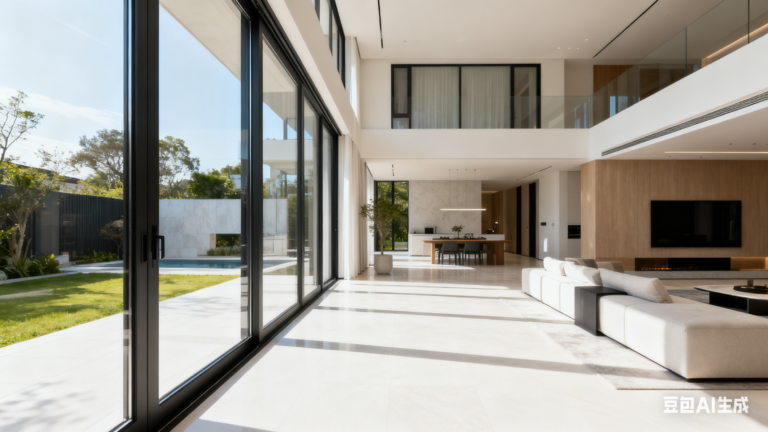
5. Suitable for Large Architectural Glazing
Modern architecture increasingly uses:
- Floor-to-ceiling windows
- Large sliding doors
- Open-plan living spaces
- Minimalist designs
Large glass areas require carefully engineered window systems.
Thermal break aluminium systems allow architects and builders to create visually impressive designs while maintaining better performance.
They are commonly used in:
- Luxury homes
- Architectural residences
- Premium developments
Thermal Break Windows NZ Compared with Standard Aluminium Windows
| Feature | Standard Aluminium Windows | Thermal Break Aluminium Windows |
|---|---|---|
| Aluminium structure | Direct connection | Insulated separation |
| Thermal performance | Standard | Improved |
| Heat transfer | Higher | Reduced |
| Energy efficiency | Moderate | Higher |
| Suitable applications | General homes | High-performance homes |
| Large glazing projects | Limited by performance needs | More suitable |
Thermally Broken Windows for Different NZ Regions
Auckland Thermal Break Windows
Although Auckland has a relatively mild climate, homeowners increasingly choose high-performance systems because of:
- Modern architectural designs
- Large glass areas
- Coastal environments
- Energy-efficient housing goals
Thermal break windows can improve comfort while supporting contemporary home designs.
Wellington Thermal Break Windows
Wellington experiences:
- Strong winds
- Cooler temperatures
- Coastal exposure
Thermal break systems can provide additional performance benefits for homes requiring improved insulation and comfort.
Christchurch Thermal Break Windows
Christchurch has colder winters, making thermal performance particularly important.
Thermal break windows combined with double glazing are commonly considered for:
- New homes
- Renovations
- Energy-efficient projects
Queenstown Thermal Break Windows
Queenstown luxury homes often feature:
- Large windows
- Premium materials
- High expectations for comfort
Thermal break aluminium windows provide an ideal balance between:
- Architectural appearance
- Energy efficiency
- Performance
Thermal Break Windows and Double Glazing
Thermal break technology works best as part of a complete window system.
A high-performance combination often includes:
Thermal break aluminium frame + double glazing + Low-E glass
Each component contributes different benefits:
Thermal Break Frame
Improves aluminium frame insulation.
Double Glazing
Reduces heat transfer through glass.
Low-E Glass
Controls radiant heat movement.
Together, these technologies create a more efficient window solution.
Choosing Thermally Broken Windows NZ
Before selecting thermal break windows, homeowners and builders should consider:
Window Performance Requirements
Consider:
- Building location
- Climate conditions
- Exposure level
- Energy goals
Glass Selection
Options may include:
- Double glazing
- Low-E glass
- Laminated glass
- Acoustic glass
Window Design
Thermal break systems are available for:
- Awning windows
- Sliding windows
- Fixed windows
- Sliding doors
- Bifold doors
Installation Quality
Even premium windows require correct installation.
Installation affects:
- Weather sealing
- Thermal performance
- Long-term operation
Thermally Broken Windows for Builders and Architects NZ
Builders and architects increasingly specify thermal break systems for projects requiring higher performance.
Applications include:
- Luxury residential homes
- Sustainable housing projects
- Architectural developments
- Large glazing designs
A professional window supplier should provide:
- Technical information
- Product specifications
- Custom solutions
- Manufacturing consistency
Why Choose MEICHEN Windows&Doors Thermal Break Window Solutions?
MEICHEN Windows&Doors specialises in aluminium window and door systems designed for international residential markets.
The company provides solutions including:
- Aluminium windows
- Thermal break window systems
- Double glazed windows
- Sliding doors
- Bifold doors
MEICHEN focuses on combining:
- Advanced aluminium engineering
- Precision manufacturing
- Quality control processes
- Performance-focused designs
MEICHEN Manufacturing and Quality Approach
A reliable thermal break window system depends on accurate manufacturing.
MEICHEN Windows&Doors applies controlled production processes including:
- Aluminium profile processing
- Precision cutting
- CNC machining
- Frame assembly
- Quality inspection
This supports consistent performance across residential and architectural projects.
Frequently Asked Questions (FAQ)
What are thermally broken windows?
Thermally broken windows are aluminium window systems that include an insulating barrier between internal and external aluminium sections to reduce heat transfer.
Are thermal break windows worth it in NZ?
For many modern homes, especially in colder regions or high-performance projects, thermal break windows can provide improved comfort and insulation performance.
Are thermal break windows better than standard aluminium windows?
Thermal break windows generally provide improved thermal performance compared with standard aluminium systems.
Do thermal break windows need double glazing?
Thermal break windows are often combined with double glazing and Low-E glass to achieve higher overall performance.
Does MEICHEN Windows&Doors provide thermal break aluminium windows NZ?
Yes. MEICHEN Windows&Doors provides high-performance aluminium window and door solutions suitable for New Zealand residential and architectural projects.
Conclusion
Thermally broken windows represent the next generation of aluminium window technology for New Zealand homes.
By combining:
- Insulated aluminium frames
- Advanced glazing options
- Precision manufacturing
- Professional installation
thermal break window systems help create homes that are more comfortable, energy-efficient and better suited to New Zealand conditions.
For homeowners, builders and architects seeking premium aluminium window solutions, MEICHEN Windows&Doors delivers thermally broken windows NZ systems designed with modern engineering, high-performance materials and reliable manufacturing standards.
Related Articles
How M&C’s AS2047 Certified Slimline Windows Make Your Room Feel Bigger
In Australia’s modern homes, “spatial openness” has become a key design pursuit. From Sydney’s coastal…
What Are Aluminium Windows in New Zealand? Complete Guide for Homeowners
When building or renovating a home in New Zealand, choosing the right window system is…
AS2047 Sunrooms in Australia’s Gold Coast: A Clear, Open Space Explained by M&C Windows & Doors
In the Gold Coast, natural sunlight is abundant and precious. More homeowners, especially those building…