E2 Moisture NZ: Why Aluminium Windows Need Proper Weather Protection
admin
Author
2026-07-21
Published
4 min read
Reading time
E2 Moisture NZ: Why Aluminium Windows Need Proper Weather Protection
In New Zealand, weather protection is one of the most important considerations when designing and installing windows.
A window is not only a visual element of a building.
It is also part of the building envelope, responsible for helping protect the home from:
- Wind-driven rain
- Moisture entry
- Air leakage
- External weather conditions
New Zealand experiences a wide range of climates, including:
- Coastal environments
- High rainfall regions
- Strong wind areas
- Changing seasonal conditions
Because of this, aluminium windows need to be designed and installed correctly to maintain long-term performance.
The New Zealand Building Code includes requirements related to moisture management under:
E2 External Moisture.
Understanding E2 helps builders, architects and homeowners select suitable aluminium window systems and installation methods.
MEICHEN Windows&Doors provides aluminium windows and doors designed for New Zealand residential projects, focusing on weather performance, quality manufacturing and reliable building solutions.
What Is NZ Building Code E2 Moisture?
E2 External Moisture is part of the New Zealand Building Code.
Its purpose is to help ensure buildings protect occupants and structures from external moisture.
The requirements focus on preventing:
- Water penetration
- Moisture damage
- Building deterioration
For windows, E2 considerations include:
- Window design
- Installation details
- Flashing systems
- Drainage management
Why Is Weather Tightness Important for Aluminium Windows?
Windows create openings in the building envelope.
Without proper design and installation, water may enter through:
- Frame joints
- Window interfaces
- Flashing areas
- Drainage pathways
Poor moisture management can lead to:
- Internal leaks
- Dampness
- Building damage
- Reduced indoor comfort
A complete aluminium window system must manage water effectively.
How Aluminium Windows Manage Moisture
Modern aluminium windows include several features designed to improve weather performance.
1. Drainage Design
Quality aluminium windows include drainage pathways.
These systems allow:
- Water to escape
- Moisture to be controlled
- Internal areas to remain protected
Correct drainage is essential for window performance.
2. Weather Seals
Window seals help reduce:
- Air leakage
- Water entry
- Drafts
Important components include:
- Gaskets
- Weather seals
- Compression seals
3. Window Flashing Systems
Flashing is an important part of window installation.
The purpose of flashing is to:
- Direct water away
- Protect wall structures
- Improve weather tightness
Proper flashing details depend on:
- Wall type
- Cladding system
- Installation method
4. Correct Installation
Even a high-quality window requires professional installation.
Installation affects:
- Water resistance
- Structural performance
- Long-term durability
Important installation considerations include:
- Correct positioning
- Proper fixing
- Effective sealing
- Drainage clearance
Aluminium Windows and NZ Weather Conditions
Different regions of New Zealand create different challenges.
Coastal Areas
Challenges:
- Salt exposure
- Humidity
- Wind-driven rain
Important considerations:
- Quality aluminium finishes
- Corrosion-resistant hardware
- Regular maintenance
Wellington
Challenges:
- Strong winds
- Heavy weather exposure
Important considerations:
- Wind performance
- Frame strength
- Sealing quality
Auckland
Challenges:
- Humidity
- Heavy rainfall
Important considerations:
- Drainage systems
- Weather sealing
Christchurch and Southern Regions
Challenges:
- Cold temperatures
- Seasonal weather changes
Important considerations:
- Energy efficiency
- Double glazing
- Thermal performance
Window Installation and E2 Compliance Considerations
For builders, aluminium window installation should consider:
1. Building Envelope Design
Windows must work together with:
- Wall systems
- Cladding
- Flashing
- Insulation
2. Window Position
Correct placement helps:
- Manage water flow
- Improve sealing
- Reduce exposure
3. Sub-Sill and Head Flashing Details
Important components include:
- Head flashing
- Side flashing
- Sill drainage
These details help control moisture movement.
4. On-Site Quality Control
Installation checks should include:
- Frame alignment
- Seal inspection
- Drainage verification
- Water testing where required
Aluminium Windows vs Weather Tightness
A good aluminium window system combines:
| Component | Purpose |
|---|---|
| Aluminium frame | Structural strength |
| Glass system | Weather and thermal performance |
| Seals | Reduce air and water entry |
| Drainage | Remove collected water |
| Flashing | Protect building structure |
| Installation | Complete system performance |
Common Aluminium Window Installation Problems in NZ
Some issues are not caused by the window itself but by installation errors.
Common problems include:
Incorrect Flashing
Can result in:
- Water entry
- Moisture damage
Blocked Drainage Holes
Can prevent water from escaping.
Poor Sealing
May cause:
- Air leakage
- Water penetration
Incorrect Installation Position
May affect:
- Weather performance
- Long-term durability
Why Choose Professionally Manufactured Aluminium Windows?
Professional manufacturers focus on:
- Accurate production
- Consistent quality
- Tested designs
- Technical support
This helps ensure windows perform correctly after installation.
MEICHEN Windows&Doors Weather Performance Aluminium Windows NZ
MEICHEN Windows&Doors provides aluminium window and door solutions for New Zealand residential and architectural projects.
Product solutions include:
- Aluminium sliding windows
- Awning windows
- Casement windows
- Fixed windows
- Sliding doors
- Bifold doors
MEICHEN focuses on:
Quality Aluminium Manufacturing
Including:
- Precision aluminium processing
- Controlled assembly
- Product inspection
Weather Performance Design
Considering:
- NZ climate conditions
- Window applications
- Building requirements
Support for Builders and Architects
Providing solutions for:
- Residential developments
- Custom homes
- Architectural projects
Frequently Asked Questions (FAQ)
What is E2 in the NZ Building Code?
E2 External Moisture covers requirements related to protecting buildings from external moisture.
Are aluminium windows affected by E2 requirements?
Yes. Windows are part of the building envelope and must be designed and installed to manage moisture effectively.
Why do aluminium windows need flashing?
Flashing helps direct water away from the window opening and protects the building structure.
Can aluminium windows leak?
Any window system can experience problems if design or installation is incorrect. Proper manufacturing and installation are essential.
Does MEICHEN Windows&Doors provide weather-resistant aluminium windows NZ?
Yes. MEICHEN Windows&Doors provides aluminium window and door solutions designed for New Zealand residential and architectural applications.
Conclusion
Weather protection is a critical part of aluminium window performance in New Zealand.
A successful window installation requires:
- Quality aluminium systems
- Correct drainage design
- Proper flashing
- Professional installation
Understanding E2 Moisture requirements helps homeowners, builders and architects make better decisions when selecting aluminium windows.
MEICHEN Windows&Doors provides aluminium windows and doors for New Zealand projects, combining modern aluminium engineering, manufacturing quality and performance-focused solutions.
Related Articles
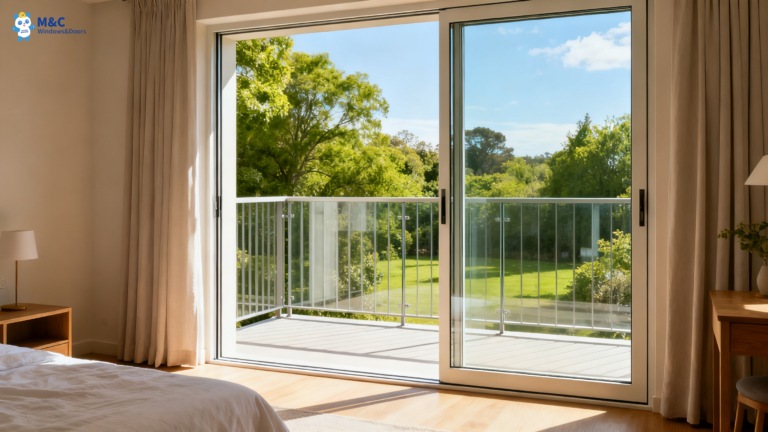
NZS4211 Certified Acoustic & Energy-Efficient Window Systems for High-End Homes on Auckland’s North Shore
In Auckland’s North Shore, high-end homeowners prioritize comfort, quiet living, and energy efficiency. With coastal…
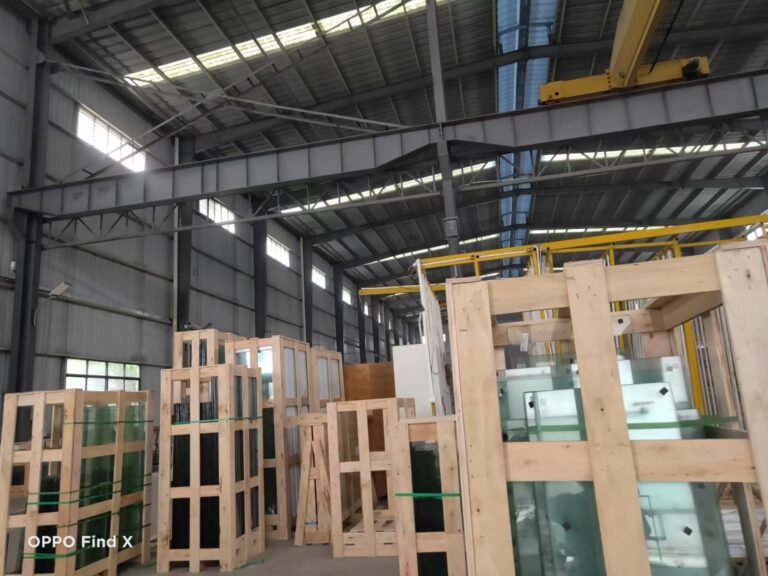
Aluminium Windows and Doors Adelaide: Enhance Your Home’s Comfort and Efficiency
For Adelaide homeowners seeking durability, style, and energy efficiency, aluminium windows and doors Adelaide are…
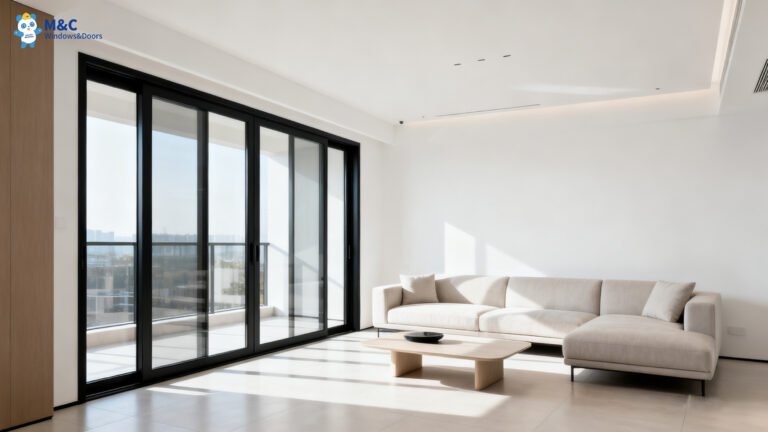
The Role of Spacer Bars in M&C’s AS2047-Certified Windows: Enhancing Performance and Longevity
In Australia and New Zealand, windows are more than just part of a building’s appearance…